
As defense and aerospace platforms continue to evolve toward data-centric operations, Ethernet has become the backbone of embedded communications. Today's mission systems must move significantly more data between sensors, processors, storage, and communications equipment, while maintaining reliability in the harshest operating environments.
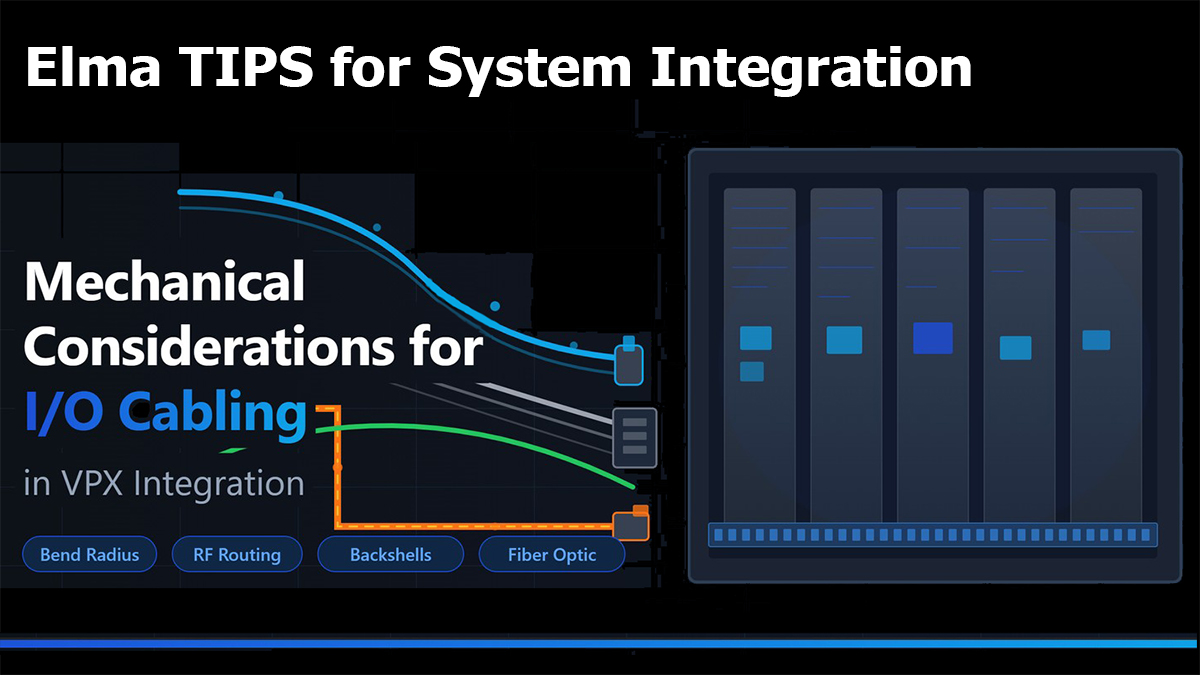
Modern VPX systems are smaller, faster, and more signal-dense than ever. That combination puts cabling (once a relatively simple afterthought) squarely in the critical path of system integration.
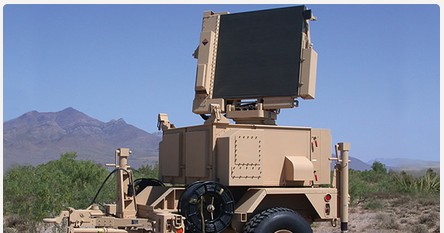
Addressing radar and EW challenges with a standardized framework like SOSA means defense system developers can deliver cost-effective modular, interoperable systems.
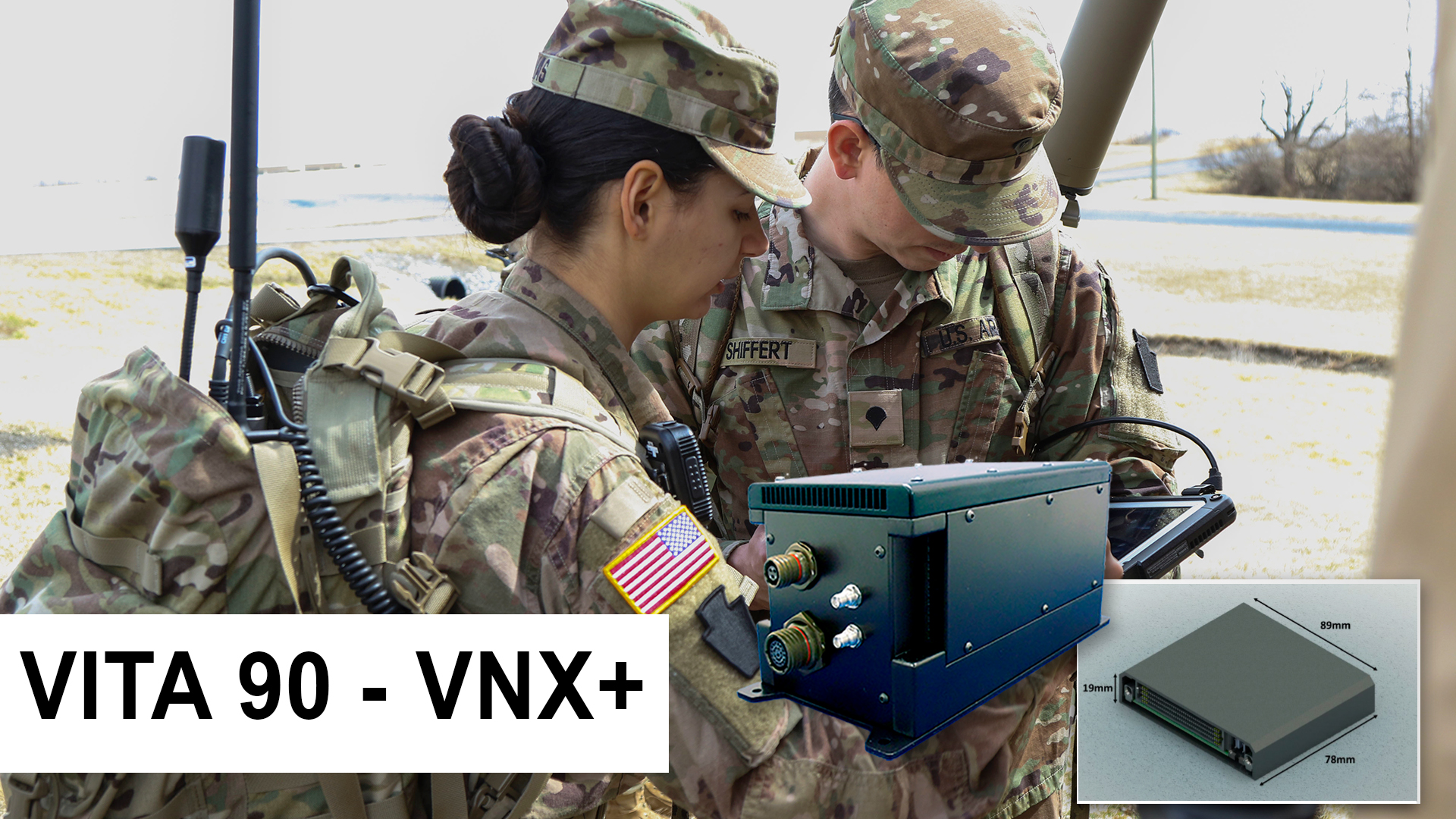
As missions move closer to the tactical edge and platforms become more autonomous, the demand for compact, modular, and interoperable computing architectures has never been greater. Enter VNX+.

This Elma VPX Integration TIP hows you how to solve common pitfalls in Ethernet switch configurations in your system.
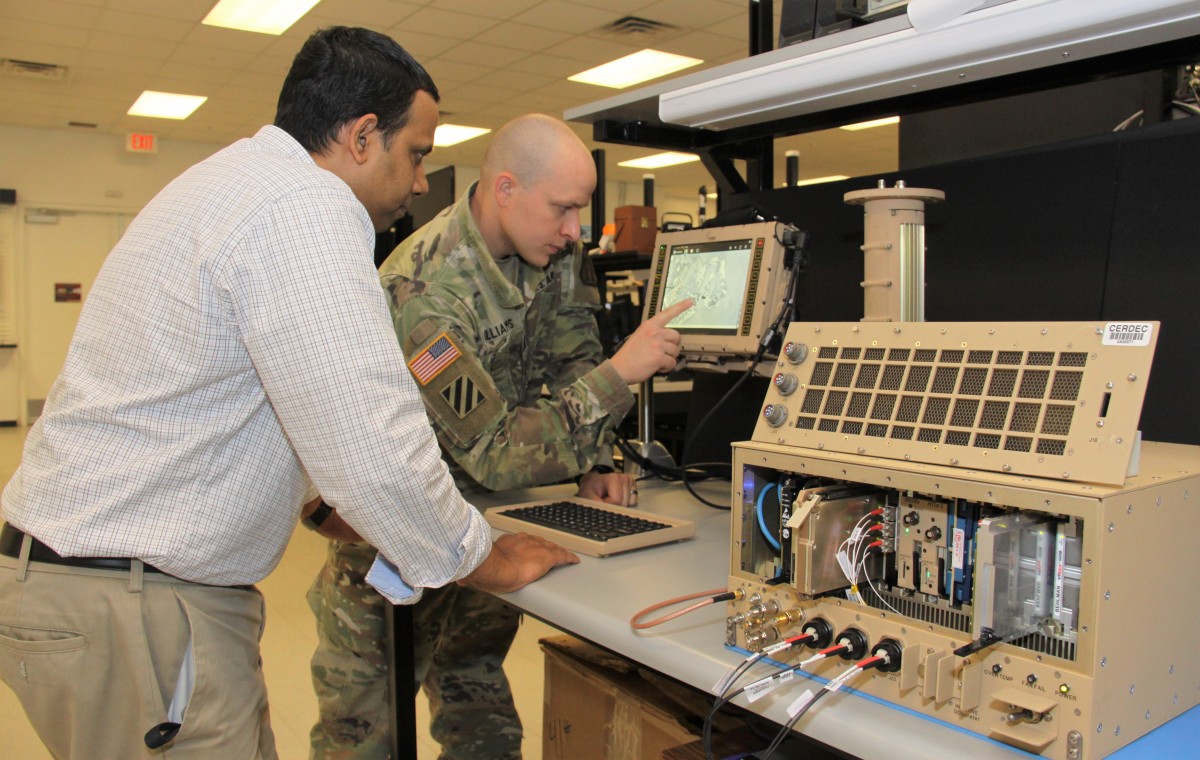
How is proven interoperability strengthening the MOSA ecosystem and what challenges have been addressed through successful partner demonstrations?